Managing Crohn's With Diet: What Actually Works and What Doesn't
9 min · Written by a Crohn's patient on biologic therapy
If you have Crohn's, you have probably been told two contradictory things about food: "diet makes a huge difference" and "there is no specific Crohn's diet." Both are true, and that is exactly why it is so confusing. There is no universal Crohn's diet because every patient reacts differently. But food choices absolutely affect how you feel day to day.
This article is based on personal patient experience and published research. It does not replace the advice of your gastroenterologist or a registered dietitian. Always consult your medical team before making major dietary changes.
Why There Is No Single "Crohn's Diet"
Crohn's disease can affect any part of the digestive tract, from mouth to anus. A patient with ileal Crohn's (affecting the end of the small intestine) has different nutritional challenges than someone with colonic Crohn's. A patient with strictures needs to avoid high-fiber foods that could cause blockages. A patient in remission can often eat more broadly than someone mid-flare.
This is why generic food lists found online ("10 foods to avoid with Crohn's") are often misleading. A food that triggers one patient may be perfectly fine for another. The only reliable approach is systematic personal testing.
The Crohn's and Colitis Foundation states that no single diet has been proven to treat Crohn's, but dietary modifications can help manage symptoms and improve quality of life.
Eating During a Flare vs. During Remission
Your diet should change depending on your disease state. What works in remission can make things worse during active inflammation.
During a Flare: Damage Control
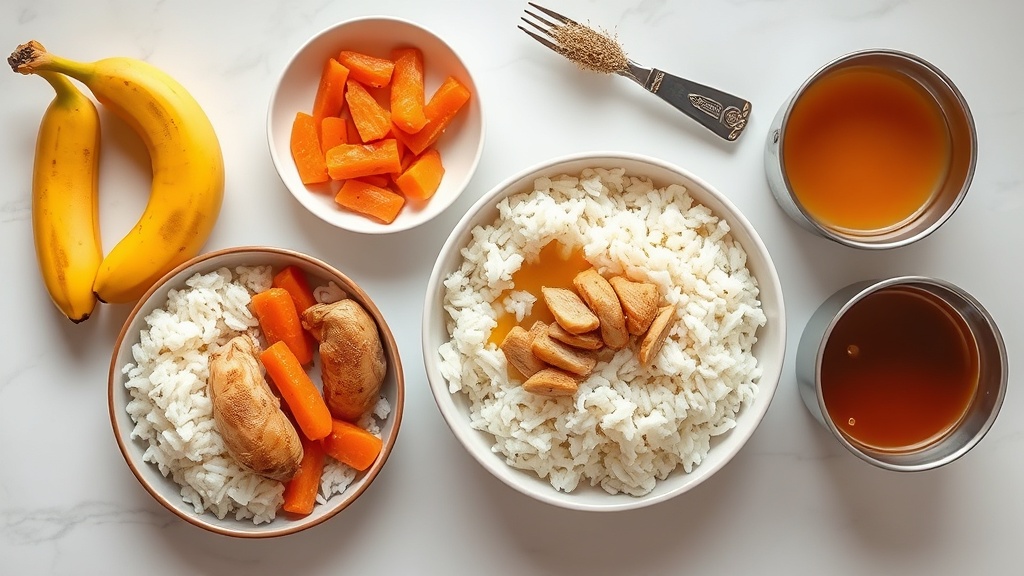
When your gut is inflamed, the goal is to reduce mechanical and chemical irritation. This typically means a low-residue, low-fiber approach:
White rice, white bread, plain pasta (refined carbohydrates are easier to digest)
Well-cooked, peeled vegetables (carrots, potatoes, squash)
Lean protein: chicken, turkey, eggs, fish, tofu
Bananas, applesauce, melon (low-fiber fruits)
Bone broth and clear soups
Oral rehydration solutions to replace lost electrolytes
Avoid during a flare: raw vegetables, whole grains, nuts, seeds, popcorn, spicy food, fried food, dairy (temporary lactose intolerance is common during flares), alcohol, and caffeine.
Eat smaller meals more frequently (5 to 6 per day) rather than 3 large meals. This reduces the workload on your inflamed gut at any given time.
During Remission: Expanding Your Range
Once symptoms have calmed down and your inflammation markers are normal, you can gradually reintroduce foods. The key word is gradually: one new food every 3 to 5 days, while tracking how you feel.
Many Crohn's patients in remission tolerate:
Cooked whole grains (oats, quinoa, brown rice)
Most fruits and cooked vegetables
Yogurt and fermented dairy (often better tolerated than milk)
Nuts and nut butters (if no strictures)
Olive oil and other healthy fats
Popular Diets Studied in IBD: What the Evidence Says
Several diets have been studied specifically for Crohn's. Here is where the science stands:
Specific Carbohydrate Diet (SCD)
The SCD eliminates complex carbohydrates, grains, and most sugars. The theory is that undigested carbohydrates feed harmful gut bacteria. A 2016 study published in the Journal of Clinical Gastroenterology found that IBD patients following the SCD reported symptom improvement, but the study was small and uncontrolled.
Verdict: Promising anecdotal evidence. Worth trying if you can sustain it. Very restrictive, which is the main downside.
Mediterranean Diet
Rich in fruits, vegetables, whole grains, fish, and olive oil. Multiple studies have associated Mediterranean-style eating with lower inflammatory markers and better IBD outcomes. It is less restrictive than SCD and easier to maintain long-term.
Verdict: Good general direction, especially during remission. Adapt fiber intake based on your tolerance.
Low-FODMAP Diet
Originally developed for IBS, the low-FODMAP diet eliminates fermentable carbohydrates that cause gas and bloating. Many Crohn's patients have overlapping IBS-like symptoms even when their Crohn's is controlled.
Verdict: Useful for symptom management, especially bloating and gas. Best used as a diagnostic tool with a dietitian (elimination then reintroduction).
Exclusive Enteral Nutrition (EEN)
EEN replaces all food with a liquid formula for 6 to 8 weeks. It is the only dietary intervention proven to induce remission in Crohn's, particularly in children. In adults, adherence is the main barrier.
Verdict: Proven effective for inducing remission. Typically used under medical supervision when medications are not enough.
How to Find Your Personal Trigger Foods
The elimination and reintroduction method is the gold standard. Here is the step-by-step process:
Baseline phase (1 week): Eat a simple, low-residue diet and log everything you eat along with your symptoms.
Reintroduction phase (4 to 6 weeks): Add one food back every 3 to 5 days. Track symptoms carefully.
Confirmation: If a food caused symptoms, test it again 2 weeks later. A single reaction could be coincidence. Two reactions is a pattern.
For a detailed guide, see our article on identifying your personal Crohn's trigger foods.
Common Nutritional Deficiencies in Crohn's
Crohn's disease can impair nutrient absorption. Combined with dietary restrictions during flares, many patients develop deficiencies.
Iron: Due to blood loss and poor absorption. Ask your doctor to check ferritin levels, not just hemoglobin.
Vitamin B12: Absorbed in the terminal ileum, the most common site of Crohn's involvement.
Vitamin D: Chronic inflammation and corticosteroid use both deplete it. Low levels are linked to increased flare risk.
Folate: Especially if you take methotrexate. Your doctor should prescribe folic acid supplementation.
Zinc: Lost through diarrhea. Deficiency impairs immune function and wound healing.
Calcium: Important for bone health, especially with regular corticosteroid use.
A review in Nutrients (2017) found that over 50% of Crohn's patients have at least one nutritional deficiency. Routine blood work should include iron studies, B12, vitamin D, and folate.
Working With a Dietitian
A registered dietitian who specializes in IBD is one of the most underused resources in Crohn's care. They can design an elimination protocol tailored to your Crohn's location and severity, identify nutritional gaps, help maintain adequate calories during flares, and adjust recommendations as your disease state changes.
Ask your gastro team for a referral. Many IBD clinics have a dietitian on staff.
Practical Meal Planning Tips
Batch cook on good days. Make a large pot of plain rice, roast chicken, and cook safe vegetables. Portion and freeze.
Keep a "flare pantry" stocked. Canned broth, white rice, bananas, applesauce, plain crackers, oral rehydration sachets.
Eat before leaving the house. If restaurant meals are risky, eat safe food at home first.
Carry safe snacks. Rice cakes, bananas, protein bars you have already tested.
Do not skip meals. Small, regular meals keep things moving predictably.
Diet and Medication: They Work Together
Food modifications complement your medication. They do not replace it. The best outcomes come from combining appropriate medication (to control underlying inflammation) with dietary adjustments (to manage symptoms and support nutrition). If your biologic treatment is working, dietary changes can make the difference between "controlled" and "actually feeling good."
Frequently Asked Questions
Can I cure Crohn's disease with diet alone?
No. Crohn's requires medical management. Diet can significantly improve symptoms, but it cannot replace medication for controlling the underlying inflammation.
Is gluten bad for Crohn's patients?
Gluten is not inherently harmful unless you also have celiac disease. Some patients feel better gluten-free. Test through elimination and reintroduction if curious.
Should I take probiotics?
The evidence for probiotics in Crohn's is weak. Fermented foods like yogurt and kefir are a gentler starting point. Discuss specific products with your doctor.
How much water should I drink during a flare?
At least 2 to 3 liters per day. Add oral rehydration salts if you are having more than 4 to 5 loose stools daily.
Can alcohol trigger a Crohn's flare?
Alcohol irritates the gut lining. Avoid it during flares. During remission, some patients tolerate small amounts. Track your response.